If you're anything like us, you're already thinking about sunshine, white-sand beaches and crystal blue waters. Sure, winter is beautiful and cosy, but during those dark, colder months, it's natural to start looking forward to your next holiday in the sun. While Japan may not instantly spring to mind as a beach destination, it actually boasts some of the most stunning and spectacular beaches in the world, and is highly rated for its water sports and diving.
Let's not forget, Japan is an archipelago consisting of more than 14,000 islands. While it is synonymous with the temples, shrines and gardens of historic Japan and the futuristic neon mega-cities of contemporary Japan, it is also a country of rugged mountains, bamboo groves, dense forests and incredible beaches. We'll help you plan a sun-kissed getaway to Japan, tell you where to go and exactly how to get there with your JR Pass.
Top 10 Beautiful beaches in Japan
Japan is the perfect place to have a beach holiday, especially with everything else the country has to offer, and it can easily compete with the rest of Southeast Asia and the Caribbean when it comes to white-sand beaches and tropical waters. Just take a look at this list of beautiful beaches to understand why Japan should be at the top of your list for beach and water sports holidays.
Miho Beach, Shizuoka This stony beach is lined with beautiful pine trees and is an excellent destination for swimming and cycling. However, what truly makes it extra special is the view of Japan's iconic Mount Fuji in the distance. How many beaches can offer that?
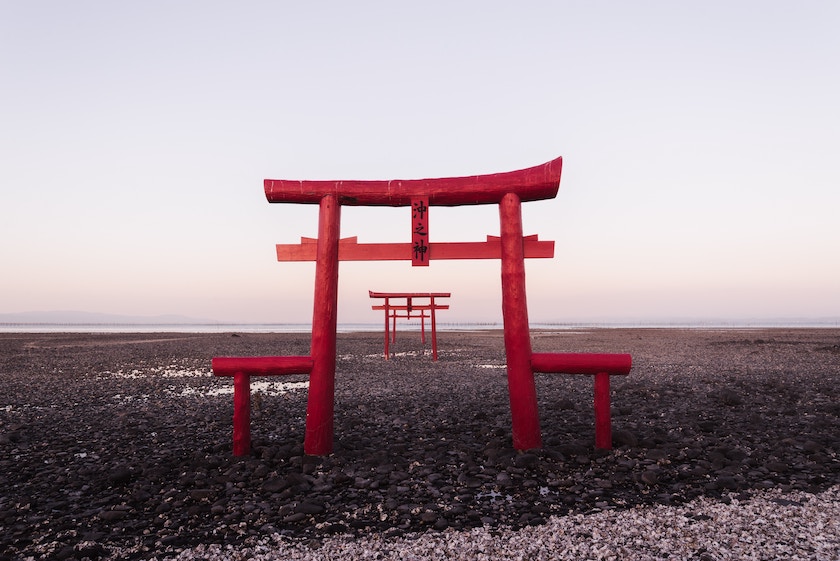
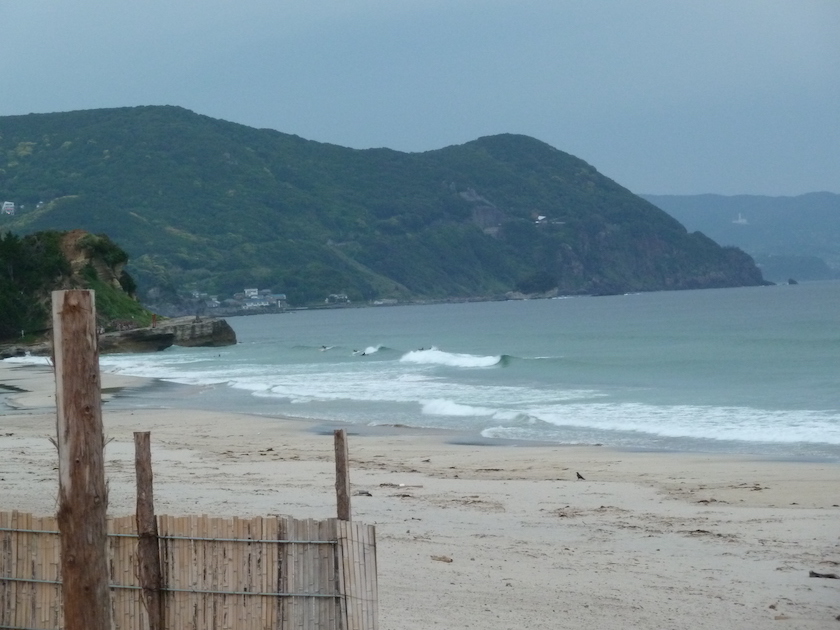
Shimoda Beach, Shizuoka You can view the torii gate of the Shirahama Jinja Shinto Shrine from this attractive sandy beach with a reputation for good surfing. The word 'Shirahama' actually means 'white-sand' so you'll likely see it applied to a number of different beaches right across Japan. To reach this particular beach, take the JR Limited Express Odoriko from Tokyo to Izukyu-Shimoda Station. It's then a 10-minute bus ride to Shirahama Kaigan and the beach. You can find out more about the beautiful port town of Shimoda in our Shimoda Visitor Guide.
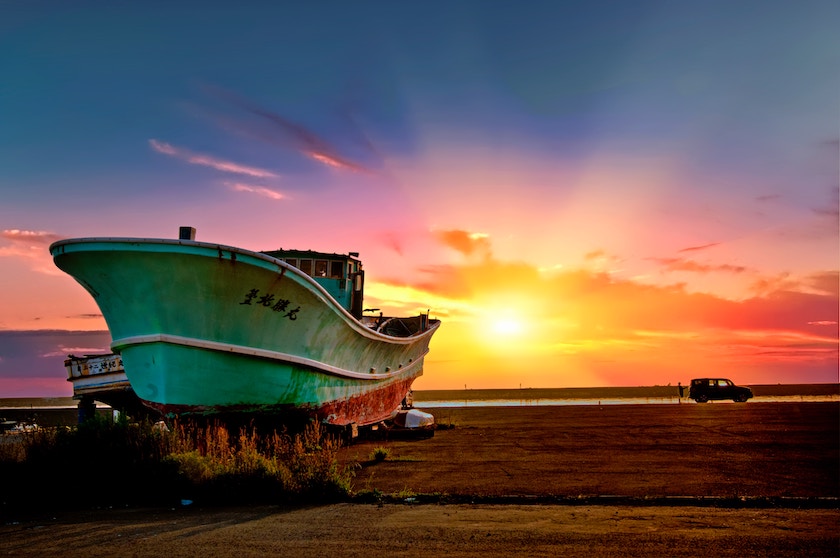
Chirihama Beach, Ishikawa Located at Noto Peninsula in Ishikawa along the Sea of Japan, this beach may not be the most picturesque, but it is the only stretch of sand in Japan where you can drive your car (or other vehicle) — making for quite a unique experience. The Noto Peninsula region is still rebuilding community spirit following the 2024 earthquake, and visiting is a meaningful way to support local tourism.
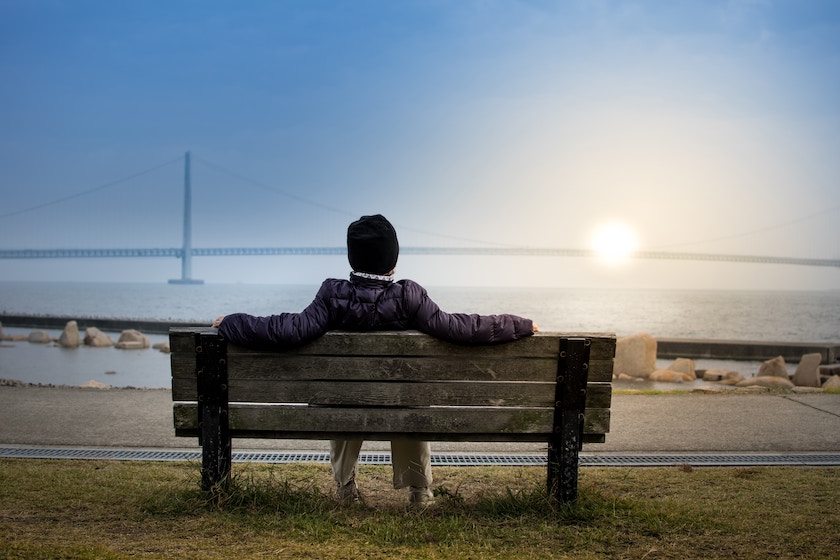
Tsunoshima Island, Yamaguchi Featuring a spectacular bridge that connects the island to the mainland, Tsunoshima Island in Shimonoseki City has become an increasingly popular tourist destination in recent years. Imagine crystal blue waters and white-sand beaches, surrounded by the Sea of Japan.
Yonaha Maehama Beach, Miyako Island (Okinawa) Arguably one of the most beautiful beaches in all of Japan, Yonaha Maehama Beach on Miyako Island in the southern Japanese island of Okinawa is a tropical paradise. Stretching for seven kilometres, it offers soft white sand, calm shallow waters, and faces west — delivering spectacular sunset views over Kurima Island. Japanese Taste Rarely crowded, this is as close to a Caribbean paradise as you'll find in East Asia.
Shirahama, Wakayama Not to be confused with the other Shirahama (white-sand) beach on our list, this beach in southern Wakayama features a picture-perfect stretch of white sand — imported from Australia Tsunagu Japan — and the area also boasts incredible rock formations, oceanside onsen and is known for great watersports. From Osaka it's 2 hours on the JR Kii line using your Japan Rail Pass.
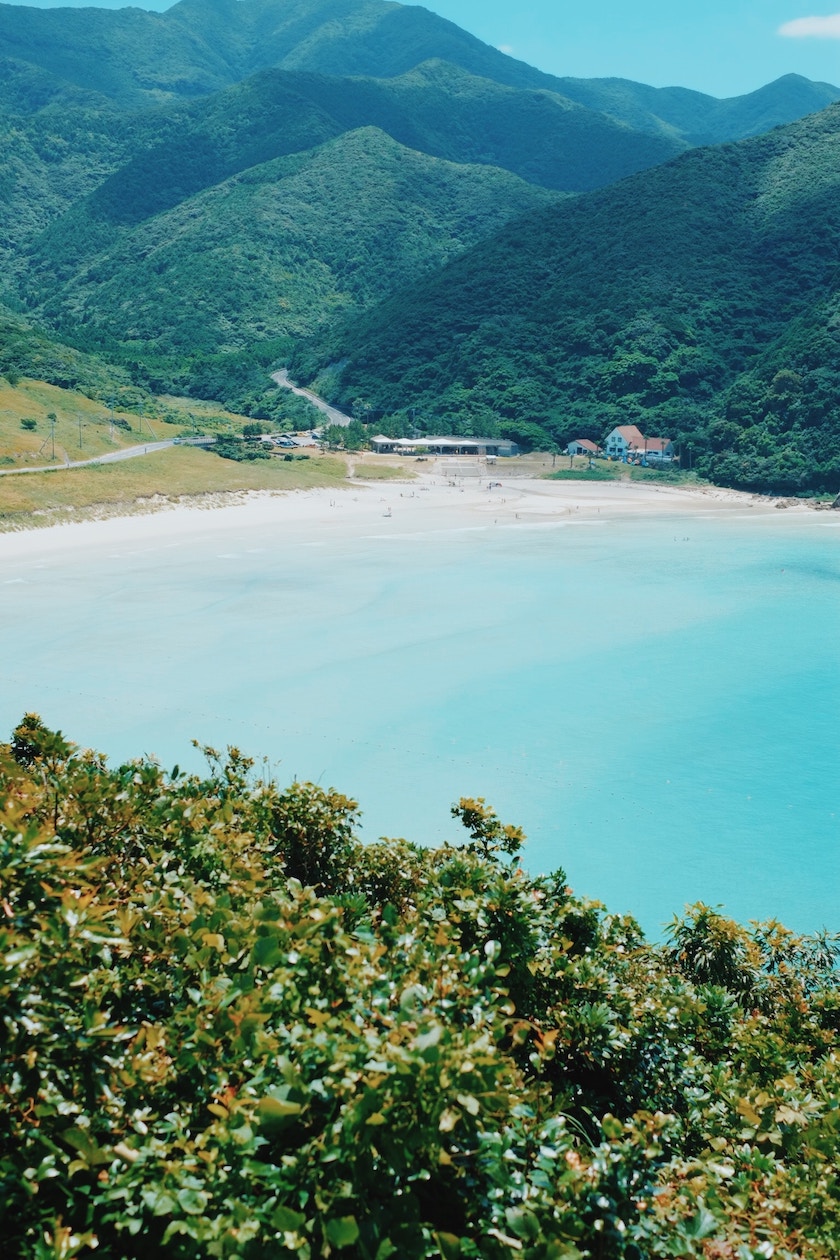
Amami Oshima Island, Kagoshima Unspoilt beaches, mangrove forests, coral reefs and more await in the subtropical Amami Oshima Island in Kagoshima prefecture, situated between Kyushu and Okinawa. In 2021, Amami Oshima Island was registered as a UNESCO World Natural Heritage Site Japan Guide — a designation that reflects just how extraordinary its ecosystems truly are. The beaches tend to be less crowded than those in Okinawa, and while many are perfect for swimming and relaxing, some also provide excellent snorkeling opportunities. Japan Guide
Jodogahama Beach, Iwate Jodogahama means 'pure land'. This popular beach is part of the Sanriku Recovery National Park in Iwate and is known for calm and tranquil waters and rugged rock formations.
Ibusuki, Kyushu The volcanic sand beaches of Ibusuki make for a unique and distinctive beach destination. You can even bury yourself (and friends) in the hot sand for a DIY spa treatment. Ibusuki is easily accessible from Kagoshima-Chuo Station via train.
Bayside Beach Saka, Hiroshima This beach is known for its spectacular sunsets and calm waters. It's close to Hiroshima, so it's highly accessible, although it does get busy with tourists in July and August. Swimming is only permitted in these months, but fishing is allowed all year round. The JR Pass is a great way to reach Hiroshima. Take the Sakura bullet train on the Sanyo line from Osaka. Once in Hiroshima, the best station for the beach is JR Mizishiri Station.
Bonus: Two More Unmissable Beach Destinations
The original top 10 could honestly be a top 20 — Japan's coastline is that extraordinary. Here are two beaches that have been generating serious attention in recent years and deserve a place on any beach-lover's radar.
Kabira Bay, Ishigaki Island (Okinawa) Kabira Bay on Ishigaki Island's northwestern coast earned three stars from the Michelin Green Guide and a spot among Japan's 100 most beautiful landscapes The Wom Travel En — quite the endorsement. The bay is famous for its juxtaposition of white sand and lush greenery against vivid blue water. Swimming is strictly prohibited here to protect the fragile marine ecosystem and account for treacherous currents, but glass-bottom boat tours offer a remarkable window into the seabed below, teeming with kaleidoscopic fish and coral. The Wom Travel En It is also one of the rare places globally where black pearls are cultivated. If you want a swim nearby, Yonehara Beach is an excellent alternative.
The Kerama Islands, Okinawa Located approximately 35 kilometres west of Okinawa Island, the Kerama Islands boast world-class water clarity known as "Kerama Blue," and were officially designated as the Kerama Islands National Park in 2014. Klook The beaches on Zamami, Tokashiki, and Aka Islands are among the most beautiful in Okinawa — peaceful, relatively uncrowded, and surrounded by some of the richest marine life in Japan. They make for an exceptional day trip or multi-night escape from Naha.
Japan’s Top Surfing Spots
You might not immediately think of Japan as a 'surfing mecca', but it's actually amongst the world's best surfing destinations. There are several 'surf breaks' in Japan and the Japan Rail Pass is an excellent way to travel up and down the coastline in search of the perfect wave. Here's our pick of Japan's surfing spots:
Irino — This beach near Kochi City has a reputation as one of the best surfing spots in the country and you may also spot sea turtles on the sand laying their eggs. The closest station is Tosa-irino.
Chiba and Shonan — These beaches are great for surfing with consistent waves and big breaks, but they can also get super busy with crowds of locals and tourists at weekends heading to the coast from Tokyo.
Shikoku — The Kaifu coast near Tokushima is widely considered the mecca of the Japanese surfing scene. The Wom Travel En Ikumi beach is the pick of the bunch for those looking for quieter conditions.
Kyushu — The diverse and varied coastline of Kyushu is a paradise for surfers. For some of the best surfing in Japan, visit Karatsu in Saga Prefecture or Koigaura beach in Miyazaki Prefecture. These are great beaches for catching a wave and they're generally much quieter than their counterparts near major cities.
Okinawa — As mentioned above, Okinawa's tropical islands feature plentiful white-sand beaches and are a natural go-to for surfers and beach lovers alike.
For more on beaches and surfing in Japan, as well as the best beaches for sun worshippers, check out our Itinerary Tip: Beaches guide.
If you're looking for beaches within easy reach of Tokyo, here are a couple of additional recommendations:
Izu-Hanto — 100km southwest of Tokyo, this peninsula has many great beaches and spectacular onsen overlooking the Pacific.
Izu-Shoto — A chain of submerged volcanic islands stretching out 300km into the Pacific. The nearest are easily reached from Tokyo for a weekend break — with camping, deserted white sandy beaches, and sea-gazing onsen, what's not to love?
Taking a Dive in Japan
Japan is considered one of the best-kept secrets of the diving world, and for good reason. With over 14,000 islands and 21,000 miles of coastline, Japan offers some of the best diving locations anywhere on the planet. The wide range of temperatures in Japan's waters also means there is an extraordinary diversity and variety to the country's marine wildlife, its coastal geography and its underwater ecosystems.
Japan's waters boast 3,000 different types of fish alone, as well as a huge range of other marine life and exotic wildlife to encounter, from sea turtles, cuttlefish, hammerhead sharks and dolphins, to mobula and eagle rays, moray eels, sea snakes, barracuda, pygmy seahorses, crabs, shrimps, nudibranchs and much more. There are many amazing diving spots in Japan — some islands have more than 100 each! Here are a couple to get you started:
Yakushima (Kagoshima) Arguably Japan's most famous diving destination for seeing sea turtles, Yakushima is the place to go for turtle lovers. Being off the coast of Kyushu, it also boasts a number of unique species including scorpionfish, lionfish and Moorish idols. You can reach Yakushima Island by Shinkansen to Kagoshima using your Japan Rail Pass, and then transferring to a ferry, jetfoil, or plane.
Yonaguni and Ishigaki (Okinawa) These are two of Okinawa's most famous dive stops. Yonaguni is world-famous for sunken wrecks, incredible undersea ruins and, of course, amazing sea life including hammerhead sharks. Meanwhile, Ishigaki features beautiful tropical waters, coral reefs and an abundance of sea life including angelfish, manta rays, and butterfly fish.
The Kerama Islands (Okinawa) The Kerama Islands deserve special mention for diving. With visibility of up to 30 metres and more than 200 different dive sites, the Kerama Islands are one of the top diving destinations in Okinawa. mergulhoemokinawa Sea turtles — hawksbill, green, and loggerhead — nest around the Kerama Islands, and humpback whales frequent the waters during winter months. Visit Okinawa Japan Day trips operate from Naha, making it entirely feasible as a single-day excursion, though basing yourself on one of the islands overnight takes the experience to another level entirely.
Amami Oshima (Kagoshima) The coral reefs surrounding Amami Oshima are a kaleidoscope of colour, where life flourishes in a vibrant display of biodiversity. Rakuten Travel If you want to spot migrating dolphins and whales as well as numerous kinds of reef fish and turtles, boat tours operate around the archipelago. JAL Being a UNESCO World Natural Heritage Site, conservation is taken seriously here — which is precisely why the reefs remain in such extraordinary condition.
For a much more detailed guide to diving in Japan, including the fascinating history of Japan's community of ama divers, read our Deep Dive in Japan.
Snorkeling in Japan
You don't need to be a certified diver to experience Japan's underwater world at its most spectacular — snorkeling opens up remarkable marine environments to anyone willing to get their face wet. Here are the standout snorkeling destinations:
Kerama Islands — the Gold Standard For snorkeling, the Kerama Islands are simply unmatched in Japan. Visibility regularly exceeds 30 metres, the area is home to over 250 species of coral reef, and abundant marine life including sea turtles and tropical fish makes it a genuine paradise for snorkelers. Klook The "Kerama Blue" — the exceptional clarity and vivid colour of the water — is something you genuinely have to see to believe. Day tours from Naha take around 30–40 minutes by boat and are available for all levels, including beginners and children.
Amami Oshima — UNESCO-protected reefs Snorkeling tours in Amami Oshima offer access to coral reefs, tropical fish, and a high chance of encountering sea turtles. ACTIVITY JAPAN Several operators run boat-based snorkeling trips to beaches that can only be accessed by sea — which means genuinely private, undisturbed reef experiences that feel a world away from more crowded snorkeling destinations.
Ishigaki and Miyako Islands — Okinawa's tropical heart Both Ishigaki and Miyako Islands offer outstanding reef snorkeling directly from the shore at several beaches. Funakusu Beach on nearby Ikema Island is a favourite for its healthy coral and clownfish, while Yonehara Beach on Ishigaki is noted for its accessible and vibrant reefs. Okinawa as a whole boasts over 200 coral species, making it one of the world's most diverse marine ecosystems. Evertrail Okinawa
Jodogahama Beach, Iwate — something different For snorkeling with a completely different character, Jodogahama's clear, calm waters and dramatic rock formations create a distinctive environment for underwater exploration in the north — without the tropical heat. A genuinely unusual snorkeling experience.
Japan for Water Sports
You might not be heading to the beach just to lie on the sand of course. As well as offering excellent surfing, diving, and snorkeling opportunities, Japan is a great destination for water sports fans. While in Japan, you'll be able to enjoy activities such as:
Parasailing This is when a person in a special harness is pulled behind a speedboat attached to a parachute-like canopy, allowing them to soar over the water. This is a particularly popular activity in the subtropical Okinawa islands — including as a combo option with snorkeling tours in the Kerama Islands.
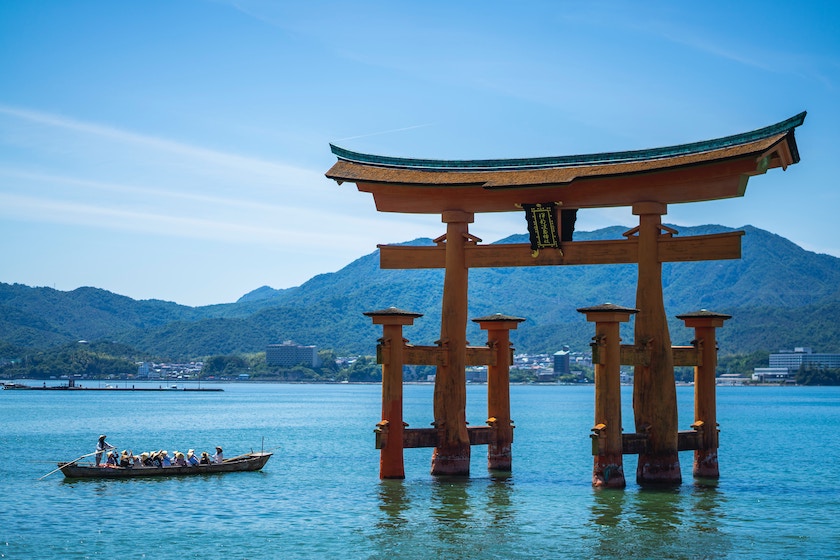
Sea Kayaking and Canoeing A great way to enjoy the water and see the coastline. Try a short course in kayaking or canoeing in Miyajima, Hiroshima, near the iconic Itsukushima Shrine — one of Japan's most famous landmarks and a UNESCO World Heritage site. Also check out Lake Shikotsu in Hokkaido National Park for kayak tours. And don't overlook the mangrove kayaking on Amami Oshima, which combines wildlife spotting with paddling through one of Japan's most exotic natural environments.
Flyboard and Hoverboarding Flyboards and hoverboards are a relatively new type of gadget that allows you to fly over the water — spectacular to watch and even more exhilarating to try for the first time.
Paddle Boarding (SUP) Sometimes known as SUP (Stand Up Paddleboarding), this water sport activity is popular across Japan's coastline. Try it in Miyajima Bay, Hiroshima, near the iconic Itsukushima Shrine. To get there from Hiroshima Station take the JR Sanyo line to Miyajimaguchi and jump on a ferry bound for Miyajima. You can enjoy the 10-minute journey on the JR Ferry for free with your Japan Rail Pass.
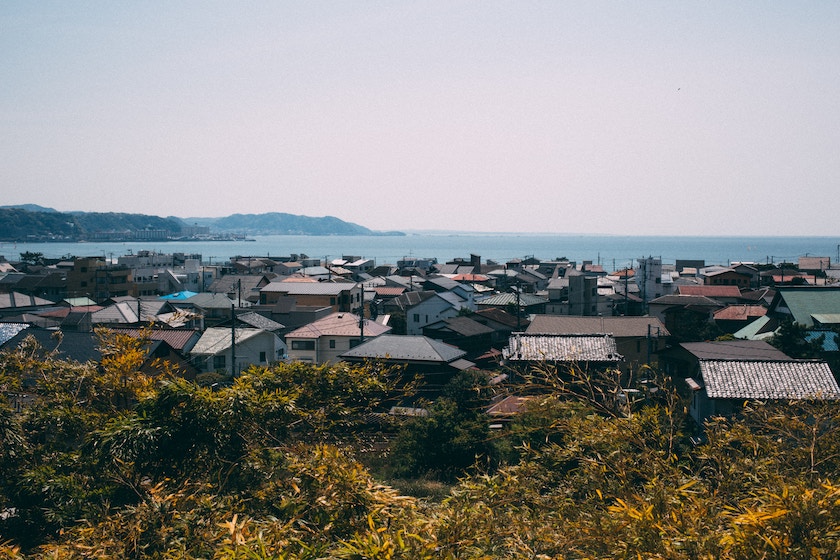
Windsurfing and Kitesurfing Essentially surfing with a sail, windsurfing and kitesurfing are both popular activities in Japan. Try Yuigahama and Zaimokuza beaches in Kamakura, which boasts several popular beaches and is accessible from Tokyo and Yokohama. These are great beaches for beginners and regulars to try surfing, windsurfing, kitesurfing and swimming, although they can get busy. The beaches are between 20–30 minutes' walk from JR Kamakura Station.
Yachting and Boating With 21,000 miles of coastline, Japan has lots of opportunities to take a yacht, boat or tall ship out and experience life on the high seas. Yachts are particularly popular in the subtropical south of Japan.
Wakeboarding A wakeboard is a shortboard with foot ties and is towed behind a speedboat, allowing a person to attempt mid-air and aerial stunts over the waves once the boat reaches optimum speed. Available at several dedicated water sports centres near the coast.
River Rafting Japan is blessed with a number of magnificent rapids that are perfect for river rafting. Try the Yoshinogawa River, which is a few hours from Osaka. The Tama River, just one hour from Tokyo, is another great spot and has more gentle rapids suitable for beginners and families. Minakami, two hours away from Tokyo, also has a reputation as being one of the best water sports destinations in Japan.
As well as water sports, Japan is the perfect place for outdoor activities of all kinds. From hiking, climbing and cycling to meditation, martial arts, and wildlife experiences, Japan's diverse landscape lends itself to a huge variety of pastimes and activities. It's also world-famous for winter sports if you fancy a complete change of pace from lounging in the sun!
Practical Beach Planning Tips
Japan's beach season has a clear rhythm that's worth understanding before you book. Here are a few things that catch first-time beach visitors by surprise:
When is beach season in Japan? The official swimming season for most of Japan's main island beaches runs from late July to mid-August — outside this window, lifeguards aren't posted, facilities may be closed, and some beaches technically prohibit swimming. Okinawa operates on a longer calendar: the prime swimming season in Okinawa spans from May to October. The Wom Travel En
Beaches are less crowded than you'd expect Unlike the seaside cultures of Southern Europe or Southeast Asia, Japan doesn't have a deep-rooted sunbathing tradition. This means that even popular beaches tend to feel surprisingly spacious compared to equivalent destinations elsewhere. Some beaches, particularly in Amami and Miyako Islands, remain genuinely uncrowded even at peak summer.
Beach rules and etiquette Some beaches in Japan enforce strict rules during swimming season — including designated swimming areas, restrictions on inflatables, and in some cases, no-alcohol policies. Always check local rules before visiting, especially at beaches with large summer facilities. Use reef-safe sunscreen at snorkeling and diving locations to help protect Japan's coral ecosystems.
Getting there with a JR Pass Japan's rail network puts a surprising number of coastal destinations within easy reach, even from Tokyo and Osaka. The JR Pass covers Shinkansen and limited express services that connect to many coastal gateways. For island destinations in Okinawa and Kyushu, a short domestic flight or ferry from a JR-covered station is typically the final step. Pair your pass with a Pocket WiFi to check timetables and weather in real time as you travel.
Don't Forget
Nowhere in Japan is more than 93 miles from the sea — so you're never far away from a beach or the water. Amazing!
One of the great things about Japan is the sheer amount to see and do. You can be relaxing on the beach one minute and, thanks to the Japan Rail Pass, you're just a train ride away from a big city, a temple or shrine, mountains, forests, rivers and more.
If your beach holiday is about rest, relaxation and reconnecting with nature, you might also be interested in Japan's National Parks. Japan is also famous for the diversity of its wildlife — from whales, dolphins, sharks, turtles and more in its waters to just as amazing creatures on land. Read A Wildlife Tour of Japan to find out more.
Naturally, with so many beaches and so many coastal villages, towns and cities, there is an incredible amount of delicious seafood to enjoy. Find out more in our Beginner's Guide to Japanese Food and Regional Dishes, and our special guides to Sushi and Ramen.
Not only is Japan's world-renowned rail network the best way to get around this amazing country, but the JR Pass is the most cost-effective way to use these trains. Why? Find out in Is The Japan Rail Pass Worth It?


 Deutsch
 Español
 Français
 Italiano
 Nederlands
 Português
 日本語
日本語 한국어
한국어 简体中文
简体中文 繁體中文
繁體中文




.jpeg)