Deutsch
 Español
 Français
 Italiano
 Nederlands
 Português
 日本語
日本語 한국어
한국어 简体中文
简体中文 繁體中文
繁體中文


Naoshima (直島) is one of the many smaller islands that dot the Seto Inland Sea and lies between Okayama and the main island of Shikoku. Famous for both its modern indoor and outdoor art, sandy beaches, stunning panoramic views, and sunny weather. Naoshima makes for a great place to unwind and take life one step at a time.
Table of contents:
What to do in Naoshima
Naoshima offers plenty to see and do for a day or two, combining art with outdoor activities like hiking, swimming, and cycling. Here are our recommended activities to do around Naoshima Island.
View the outdoor art
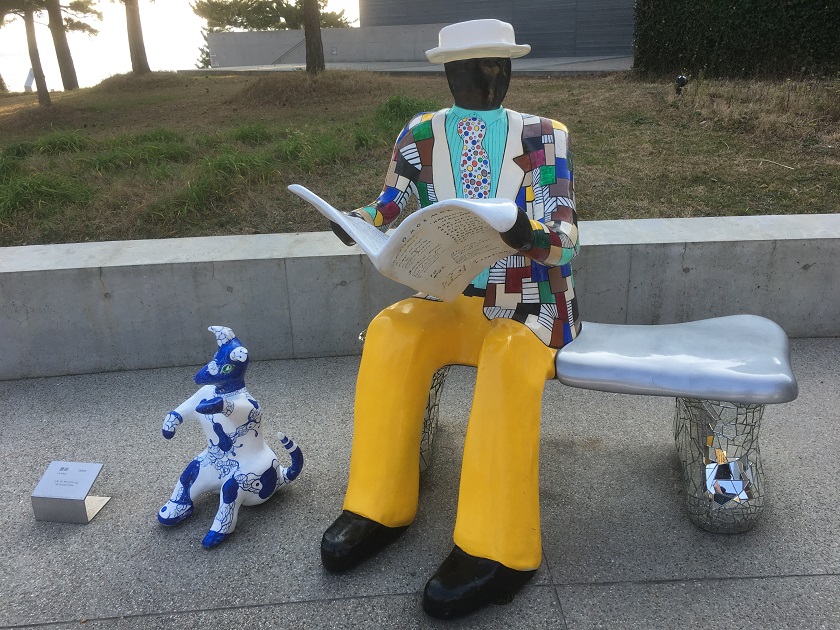
The island is home to the iconic Yellow Pumpkin by Yayoi Kusama, which stands out beautifully against the sea at the end of a pier. It was swept away by a typhoon in 2021 and has since been repaired and reinstalled, so it's back in its rightful place. Though it is the most well-known art piece on Naoshima, it is only the beginning of the collection of open-air sculptures and installations that harmoniously blend with the neighbouring landscape. Including works by: Dan Graham, Shinro Otake, and Karel Appel. A full list of outdoor artwork can be found here.
Visit the Chichū Art Museum
No trip to Naoshima is complete without the Chichū Art Museum (chichū means "in the earth"). Opened in 2004 and designed by Tadao Ando, it's built almost entirely underground, yet is lit throughout by natural light. Its highlights include a dedicated room of Claude Monet's Water Lilies, and permanent installations by James Turrell and Walter De Maria. Because visitor numbers are capped, the Chichū Art Museum requires advance online reservations for a timed entry slot, so book before you travel.
Visit Benesse House (and stay the night)
Benesse Art House is the most well-known and perhaps most intriguing museum on Naoshima. Created in 1992, Benesse House is not just a museum but an upscale hotel as well. Staying guests can wander the exhibitions at night without being distracted by others. The art collection includes an international variety of work by Tadao Ando, George Rickey, Alberto Giacometti, Yasuo Kuniyoshi, Andy Warhol, and others. For further information and tickets, see here. The museum is open most days of the year, but do check beforehand.
Lee Ufan Museum
The Lee Ufan Museum (opened in 2010) is a collaboration between the acclaimed Korean contemporary artist Lee Ufan and architect Tadao Ando. Half-buried in a valley between the sea and the hills, it's dedicated to Lee's minimalist paintings and sculptures, including works from earlier in his career.
Explore the Art House Project and the Ando Museum
In the Honmura district on the east side of the island, the Art House Project (running since 1998) has transformed a cluster of empty traditional houses, a temple, and a shrine into immersive art installations you can step inside. Nearby, the small Ando Museum (2010) — set within a century-old wooden house — explores Tadao Ando's work and his decades-long relationship with Naoshima. Both are within walking distance of Honmura Port.
See the Naoshima New Museum of Art (opened 2025)
The island's newest landmark is the Naoshima New Museum of Art, which opened on 31 May 2025 on a hilltop near Honmura. Designed by Tadao Ando — his tenth building on the island, and the first to carry Naoshima's name — the mostly-underground, three-storey museum focuses on contemporary art from across Asia, including newly commissioned, site-specific works. It's a compelling reason to return even if you've visited Naoshima before. Advance online booking is recommended.
Rent a bicycle
The best way to get around Naoshima is to rent a bicycle. Roads are well maintained, and it’s easy to get around the island. Having a bicycle will allow you to stop anywhere, enjoy the beautiful views, and stay as long (or short) as you like at any of the sights. The island itself can be circumnavigated in less than an hour on a bicycle, so you don’t have to be a Tour-de-France winner to enjoy Naoshima on two wheels. There’s a rental shop very close to where the ferry arrives in Naoshima.
Relax near the sea
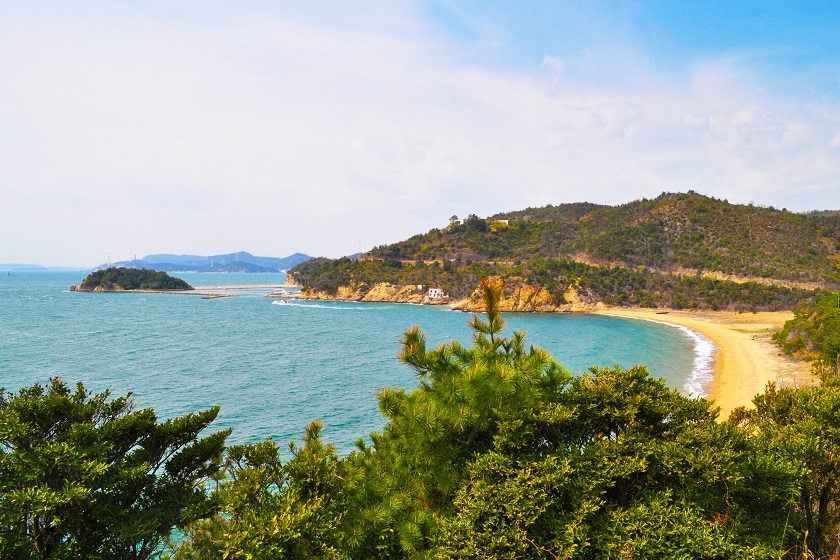
A visit to Naoshima is not complete without a good moment to unwind on the beach. There are many small beaches around the island, often without anyone on them. Take a moment to relax or picnic on the beach. You’re guaranteed to have a beautiful view of the Shikoku Islands in the distance.
Visit Teshima
Teshima is the sister island to Naoshima; it has its own contemporary art museum and outdoor art. Want an encore after Naoshima? Then Teshima is the place to go! There are multiple ferries to/from Teshima that connect with Naoshima and the mainland.
How many days to visit Naoshima?
The island is fairly small with a total area of 14.22 km2 (5.49 sq mi), which means you'll be able to explore the entire island fairly quickly, and for most visitors, a single day or day trip is enough to explore Naoshima and enjoy the experience. That said, for those who love to linger a little longer. Naoshima is a great way to disconnect yourself from the world, enjoy the local nature and beaches, and just take it a little slower. In that case, 2 to 3 days could be a rather nice experience.
When to visit: the Setouchi Triennale
Naoshima is rewarding year-round, but if you can time it, the Setouchi Triennale is a major contemporary art festival held once every three years across the islands of the Seto Inland Sea, with Naoshima as a centrepiece. It was most recently held in 2025, with the next edition expected in 2028. During the festival, the islands host many extra installations and events — though they also get considerably busier, so book accommodation and ferries early.
Good to know: most of the major museums charge admission, several close on Mondays, and some — the Chichū Art Museum and the new Naoshima New Museum of Art in particular — ask you to reserve a timed ticket online in advance. It's well worth sorting this out before you travel. The ferry crossing is inexpensive (a few hundred yen each way), but as it's run by a private operator, it isn't covered by the JR Pass.
How to get to Naoshima with the JR Pass
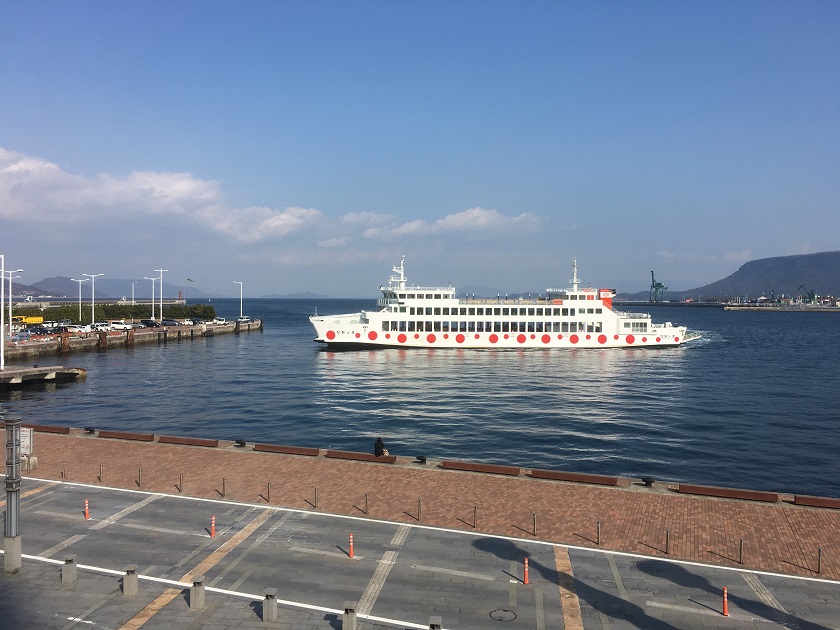
Going to Uno port is the fastest option; there are direct local trains between Okayama and Uno station. It is only a 5-minute walk to the port from the station with clear signage.
Going via Takamatsu takes more time but is by far the more scenic route, as you will be travelling over the great Seto Ohashi bridge that connects Shikoku to the Japanese mainland. Takamatsu itself is worth a visit and a good base to stay for a couple of nights to explore Naoshima and Shikoku.
Looking for more inspiration? Read our blog post on Exploring Shikoku with the JR Pass.
Frequently asked questions
1. Is Naoshima covered by the Japan Rail Pass?
Your JR Pass covers the train journey to the ferry ports, Uno (near Okayama) or Takamatsu, but a private operator runs the ferry across to Naoshima and isn't included. It only costs a few hundred yen each way, and you can buy a ticket as a foot passenger when you board.
2. How do you get to Naoshima?
First reach Okayama on the Sanyo Shinkansen. From there, the fastest route is a local train to Uno, then a short ferry to Miyanoura Port. Alternatively, travel via Takamatsu for a more scenic crossing over the Seto Ōhashi bridge.
3. What is Naoshima famous for?
Naoshima is Japan's "art island," known for its concentration of contemporary art and Tadao Ando architecture — including the Chichū Art Museum, Benesse House, the Art House Project, Yayoi Kusama's yellow and red pumpkins, and the new Naoshima New Museum of Art (2025).
4. Do you need to book Naoshima's museums in advance?
Some, yes. The Chichū Art Museum and the Naoshima New Museum of Art use timed-entry reservations, so it's best to book online before you travel. Check the official Benesse Art Site Naoshima website for current details.
5. How many days do you need on Naoshima?
A single day is enough for the highlights, but two to three days lets you enjoy Naoshima (and its sister island Teshima) at a more relaxed pace.
.png)