Is there anything more exciting than getting ready for your first Japan trip? You’re getting ready to finally visit a country that you’ve heard so much about over the years. But like any new destination, there are things you really should know before you go. You may not even know that you don’t know them. Rather than telling you exactly what to do in Japan, this article will help you navigate the experience of your first time in Japan. Here are some things you might not know about Japan that will help you make the most of your visit.
With it being your first time in Japan, chances are you’re going to want to visit the mighty capital city of Tokyo. It may be the most famous place in Japan, but don’t make the mistake of thinking that it’s the only place to go. You may have heard of other big cities like Osaka and Kyoto, but lesser-known destinations like Nagano and Yokohama are also well worth your time. We haven’t even mentioned all of Japan’s great parks and outdoor destinations either.
2. Respect the Local Culture
No matter which country you visit, you should try your best to respect that country and follow local manners and etiquette. Japan is no different, so do your best to learn about Japanese customs to avoid being rude and offending. Some basics to know include:
Removing shoes when entering homes and some businesses
Don’t tip at restaurants
Cover tattoos so that they cannot be publicly viewed
Bowing is a common sign of respect when meeting people
Stand on the left on escalators
3. Find the Right Rail Pass for You
One of the most common pieces of advice for a first trip to Japan is to purchase a Japan Rail Pass. With one of these rail passes, you can travel on participating trains, bullet trains, buses, and even some ferries, as much as you want. One exception worth knowing about upfront: the fastest bullet trains on the Tokyo–Osaka corridor, the Nozomi and Mizuho, aren't fully covered by the pass anymore — pass holders can still ride them, but only by paying a supplement on top, as we explain in our guide to Nozomi and Mizuho trains the JR Pass doesn't fully cover.
A JR Pass can still be a good way to save money on travelling about Japan, but since the nationwide pass price rose sharply in October 2023 (see our full JR Pass price history for the numbers), it's no longer an automatic bargain — do the maths on your specific route and length of stay first. That's because, while there are Japan-wide rail passes, there are also regional passes that might better suit your needs.
4. Manage the Language Barrier
Unless you already speak decent Japanese, you may be worried about dealing with the language barrier. While you will find it useful to try learning a little Japanese, it’s not strictly necessary for tourists. In larger cities, you’ll find many Japanese people speak quite good English, although they will probably be modest about their fluency. To make life easier, have the Japanese dictionary in Google Translate downloaded for offline use, or write down place names in Japanese to show people where you want to go.
5. Have Plenty of Cash on You
While Japan is definitely seen as a modern country, one modern Western practice that has yet to take hold is the ability to pay for everything with a credit or debit card. Japan is still very much a cash-based society, so you'll definitely need plenty on hand. The next challenge is getting money out, as only ATMs at certain places accept foreign cards — 7-Eleven (Seven Bank), Japan Post Bank, and AEON Bank ATMs are generally your most reliable bets, and all three offer English-language menus. That said, cashless and IC-card payments (like Suica and Pasmo) have become noticeably more common at shops, restaurants, and vending machines in recent years, so you won't need quite as much cash as you once did — please verify current card and mobile-payment acceptance before you travel, as this has been changing quickly.
6. Get Yourself a Pocket Wi-Fi
Has there ever been a better travel tool than the Internet? From looking at maps to checking the opening hours of attractions and much more, being able to look things up while you’re out and about is super useful. Since data roaming charges are rarely good, you’re going to need to solve your connectivity dilemma. One of the easiest solutions is to get a Pocket Wi-Fi, a little device that will provide unlimited Internet wherever you go. If your phone supports it, a Japan travel eSIM is also worth considering: you install it digitally before you fly, so there's no device to pick up, carry, or return at the airport. A Pocket Wi-Fi tends to work out better if you're travelling with others and want to share one connection, while an eSIM is often the simpler choice if you're travelling solo.
7. Stay at a Ryokan
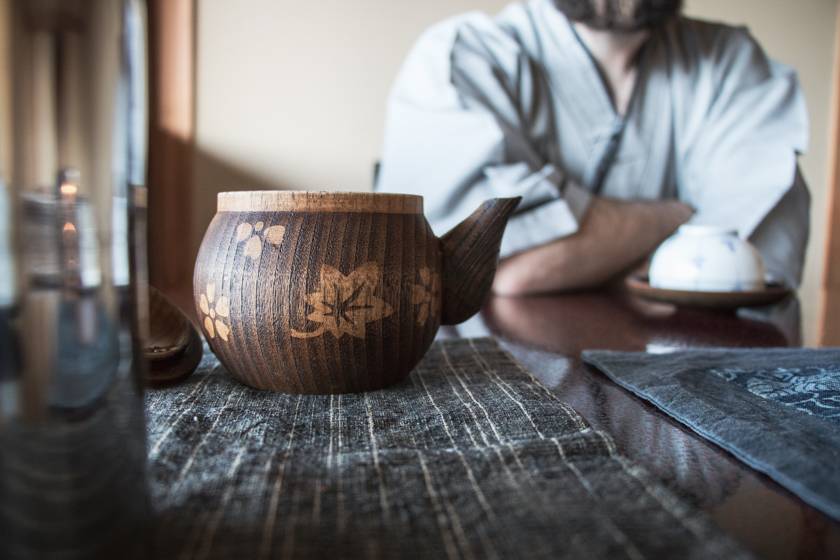
A great way to make your first Japan trip feel special is to include an experience that you could only find in Japan. While there are many exclusively Japanese cultural experiences that you could pick, staying at a ryokan is definitely one of the best. These traditional inns can be found across Japan and embody long-standing parts of Japanese culture. Guests in a ryokan get to stay in traditional rooms, eat authentic regional cuisine and best of all, bathe in typical hot spring baths known as onsen.
8. Use a Luggage Transport Service
Convenience is a big part of modern Japanese culture, and one service that will make travellers' lives easier is a luggage transport service. Commonly known as takuhaibin, the biggest provider is Yamato Transport's "Kuroneko" (black cat) delivery service, which transports all sorts of items — including suitcases between hotels, airports, and stations — typically with next-day delivery between major cities. Why this is useful is that they are able to transport luggage for travellers at an affordable rate. In the right circumstances, it can sure beat trying to lug a big suitcase on busy trains.
9. Make Reservations for Restaurants
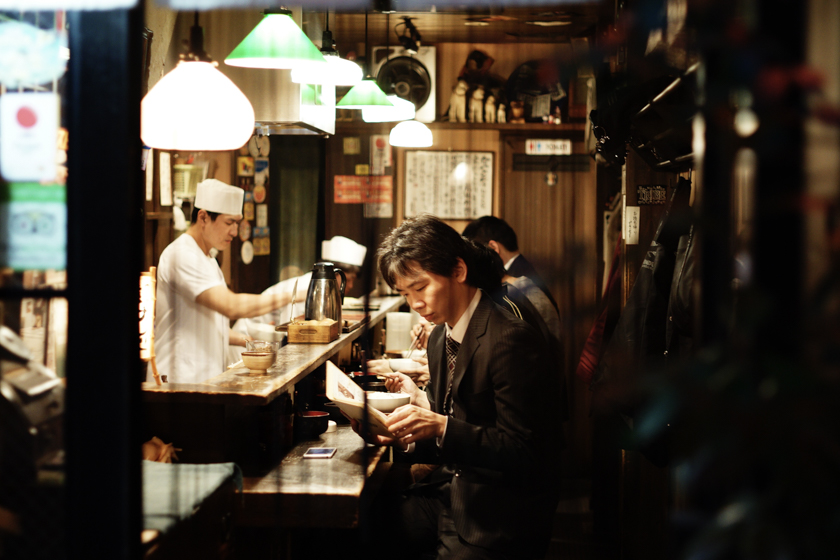
Foodies will have a great time in Japan exploring the depths of Japanese cuisine. One challenge they may encounter though is actually getting a seat at some of Japan’s best restaurants. While traditional pubs known as izakaya are famous for having limited seating – we’re talking just a few tables – many of the best restaurants are equally small. It’s common to see long lines of people outside the trendiest restaurants. Making reservations is then the recommended approach, either through your hotel concierge or dedicated reservation websites like Pocket Concierge.
10. Take Your Trash With You
It probably won’t come as a surprise that Japan is typically a very clean country, but what may surprise you is the total lack of trash cans anywhere in public. Partly this is to do with Japan’s approach to waste, but it actually mostly stems from an anti-terrorism measure introduced in 1995. If you have trash you want to get rid of, take it with you back to your hotel or find the nearest convenience store as they have bins there.
FAQ
1. Do I need a Japan Rail Pass for my first trip?
Not necessarily. A JR Pass can still be worth it if you're covering a lot of ground by bullet train, but the pass price rose sharply in October 2023, so it's no longer an automatic saving. Add up your planned train routes against individual ticket prices — or check a regional pass — before deciding.</p>
2. Is Japan really a cash-only country?
Not entirely, but cash still matters. Card and IC-card (Suica/Pasmo) acceptance has grown a lot in recent years, especially in cities, but plenty of smaller restaurants, shrines, and rural areas still expect cash. Carry some yen as a backup even if you plan to pay by card.
3. Should I get a pocket Wi-Fi or an eSIM?
Either works well. A pocket Wi-Fi is handy if you're travelling with others and want to share one connection between several devices. An eSIM skips the device entirely — you install it on your phone before you fly — which suits solo travellers who want one less thing to carry and return.
4. What's the biggest etiquette mistake first-time visitors make?
Forgetting to remove their shoes when entering a home, ryokan, or certain restaurants and temples is probably the most common one. Watching for a shoe rack or a step up at the entrance is usually your cue.
5. Why are there no trash cans in Japan?
Public bins are deliberately scarce, largely a legacy of a 1995 security measure. The easiest habit to build is carrying a small bag for your own rubbish and disposing of it at your hotel or a convenience store.
Rob is a world traveller who prefers the warmer spots on earth, and loves to spend his summers in Kyushu and Okinawa. He's been writing at the JR Pass blog for over 4 years, from his home town of Kumamoto.


 English
 Deutsch
 Español
 Français
 Italiano
 Nederlands
 Português
 日本語
日本語 한국어
한국어 简体中文
简体中文