English
 Deutsch
 Français
 Italiano
 Nederlands
 Português
 日本語
日本語 한국어
한국어 简体中文
简体中文 繁體中文
繁體中文


Table of contents
Intro
A Brief History of Computer Games in Japan
What is Otaku culture in Japan?
Top things to do in Japan for Gamers
Don’t Forget
Intro
For gamers, visiting Japan is practically a pilgrimage to the promised land. The country is home to Nintendo, Sony and Sega, as well as hundreds of arcades, and is the indisputable centre of today’s global computer games industry. There are a wide range of reasons to visit Japan of course, from its ancient culture and traditions to its world-leading food and drink, its diverse and beautiful landscape to its unmissable wildlife and much more. But if you have a lifelong love of computer games (or even a passing interest), you’ll likely have your head turned by Japan’s computer games industry and the likes of Mario, Sonic and Link instead.
Who could resist a train journey to Nintendo’s original headquarters in Kyoto, a visit to Kawasaki Warehouse themed games arcade, an afternoon in Sega’s Joypolis in Odaiba, or a trip to Sony showroom in Tokyo? And that’s just the tip of the iceberg! We’ll explore the very best places and most unmissable experiences for gamers across Japan as well as how to get there with the JR Pass.
A Brief History of Computer Games in Japan
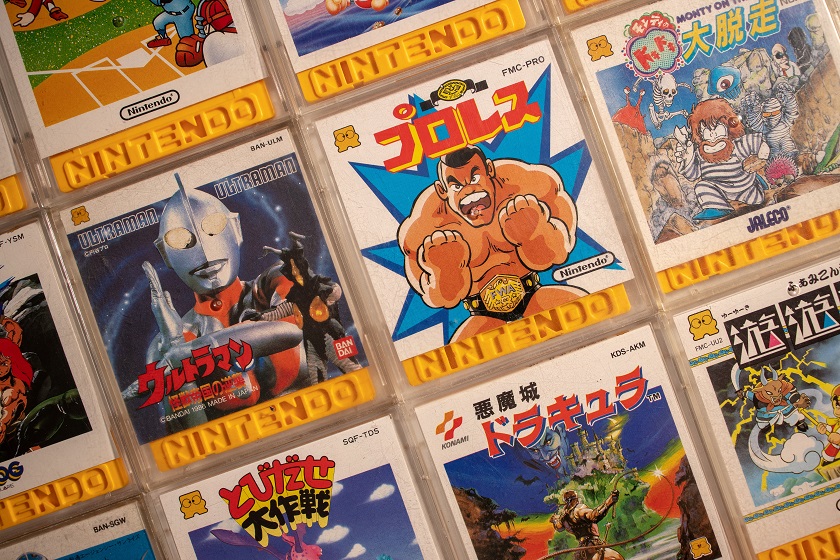
While Japan didn’t invent the first computer game, it changed the industry forever and has dominated the gaming landscape for decades, from the console wars of the 1980s, 1990s and early 2000s to incredible technological breakthroughs and the creation of world-famous and hugely popular characters like Sonic and Mario. While the very first computer game, Space War, was created in the US in the 1960s, Japan would lead the way thereafter with the likes of Taito’s Space Invaders in 1978 and Namco’s Pacman in 1980.
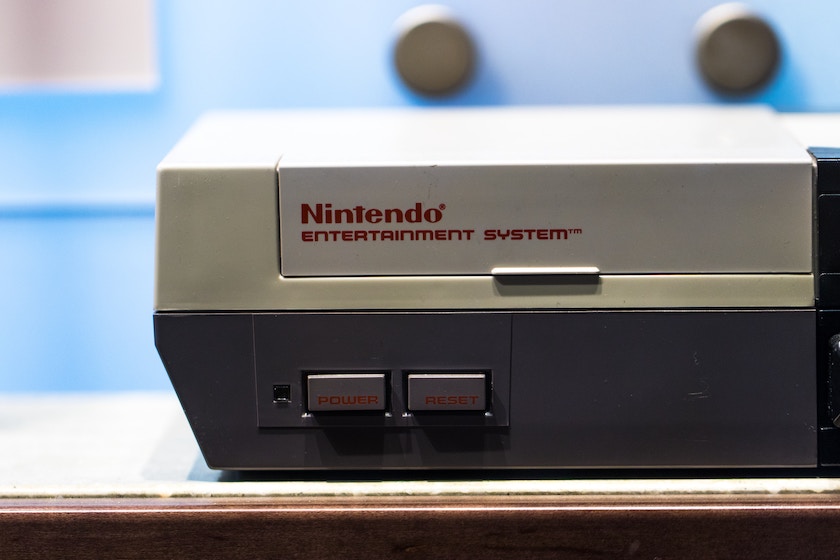
Released in 1983, the original NES (Nintendo Entertainment System) console (or Famicom as it was known in Japan) revolutionised the home console market. Released in the US two years later, it became one of the most popular consoles of the 1980s and of all-time – selling 60 million units. Sega’s Master System was one of its main competitors during the early days of the console wars between the two companies.
In 1989, Nintendo released the Gameboy which did for portable game what the NES had done for home consoles. Japan’s Nintendo, founded and based in Kyoto, was an innovator and a world-leader in gaming. Interestingly the company dates back to 1889 in Kyoto and originally made playing games – something it continues to do to this day to honour its heritage. You can even visit the site of its original building where you will find a green plaque commemorating the spot.
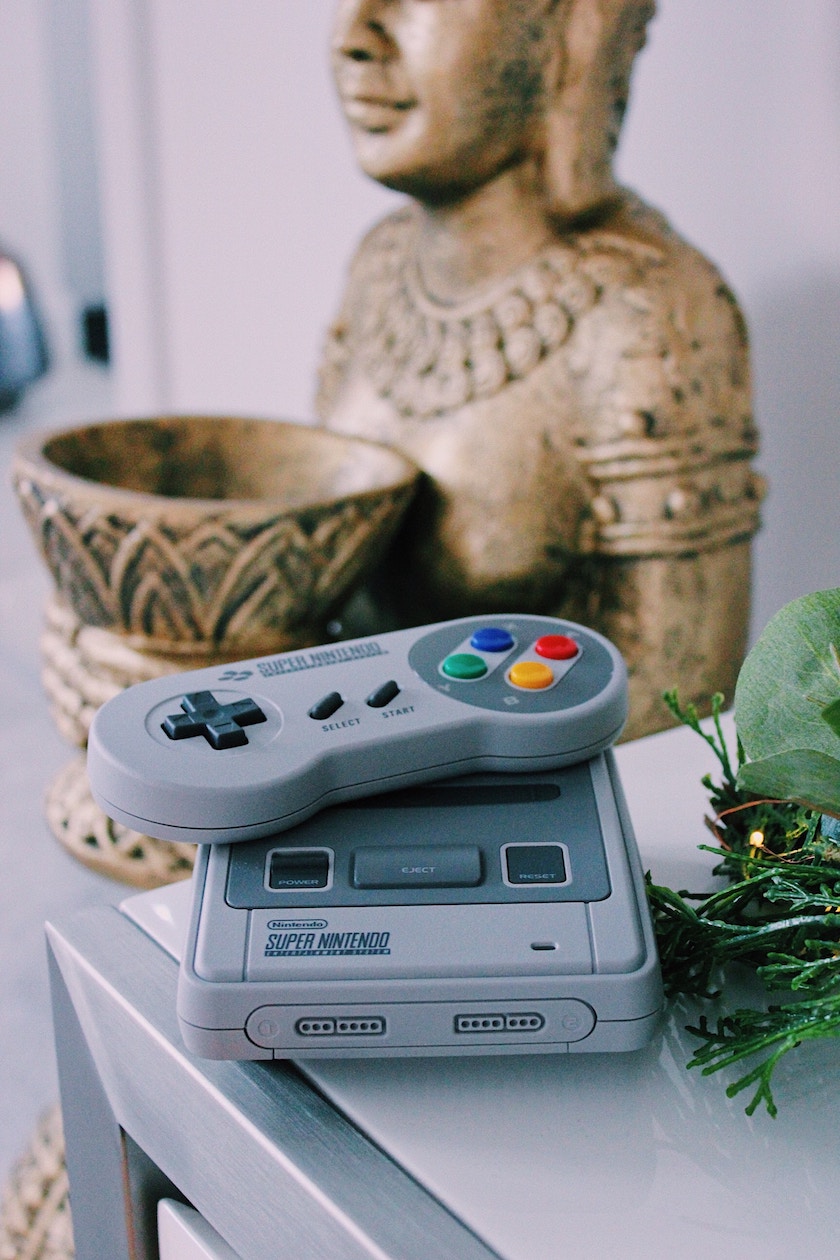
In the late 1980s and early 1990s, the main console wars (as they were known) were between Nintendo’s SNES console (Super Nintendo Entertainment System) and Sega’s Megadrive (or Genesis as it was referred to in some territories). Sega – also based in Japan – had started in the 1950s as producers of coin-operated slot machines before moving into arcades and then video game consoles. This was undoubtedly a golden age of gaming and saw characters like Mario, Link, Sonic and many others in some of their earliest adventures. Many companies tried to break into the market, but it wasn’t until Sony’s PlayStation that a true competitor emerged.
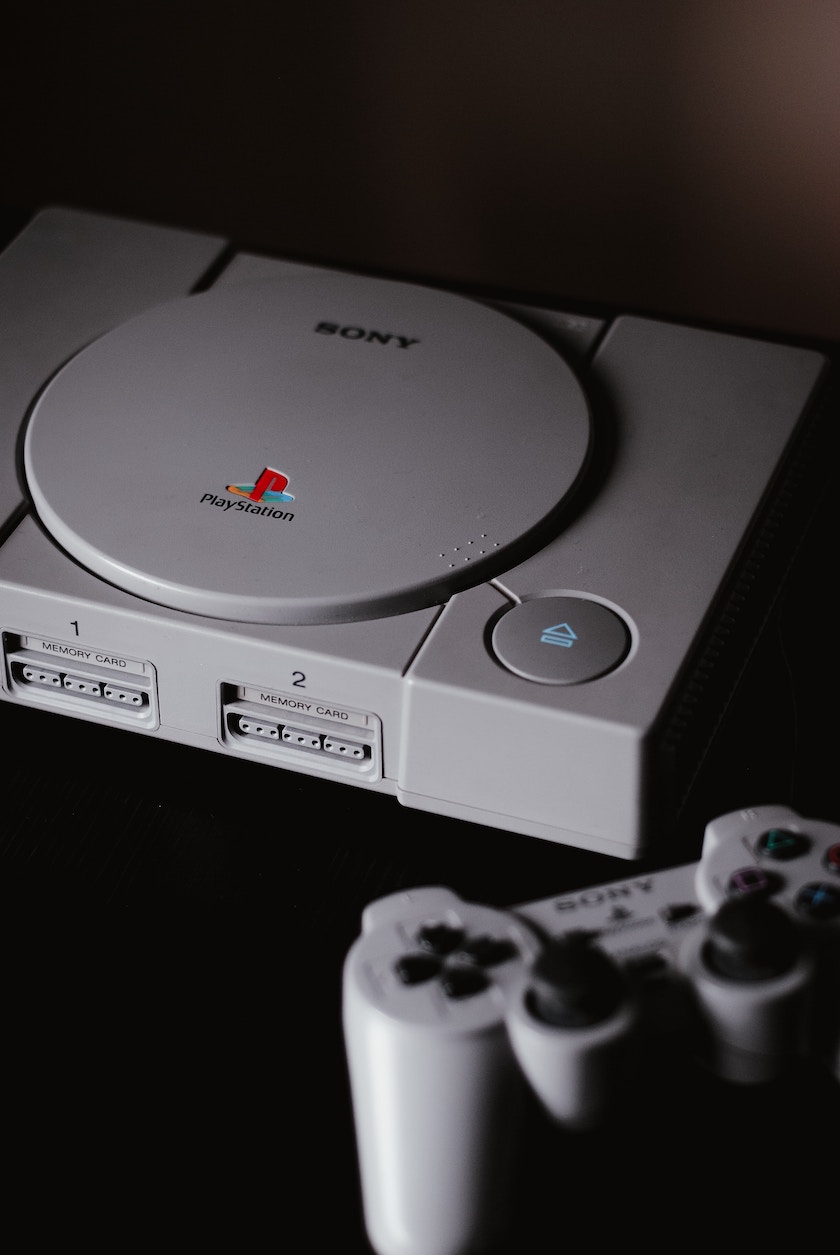
Sony’s PlayStation (which started life as a collaboration with Nintendo) was a huge success for the company, which alongside Nintendo and newcomers Microsoft, became one of the new ‘big three’ in terms of home consoles with Sega falling behind after the failure of the Dreamcast in 1998. Since then, Sega has instead focused on games software and their major arcades in Japan and elsewhere, leaving Sony, Nintendo and Microsoft to battle it out. As a result, flagship characters like Sonic began to appear on Nintendo and other competitors consoles for the first time. Since then, each of the big three has moved through several more console generations. Nintendo followed the global success of the Wii with the Switch (2017) and, more recently, the Switch 2 (2025); Sony moved on from the PS4 to the PS5 and PS5 Pro; and Microsoft's Xbox One gave way to the Xbox Series X and S. With 4K-and-beyond visuals, motion controls, mobile games like Pokémon Go!, and growing interest in VR, the future continues to look bright for this thriving industry.
What is Otaku culture in Japan?
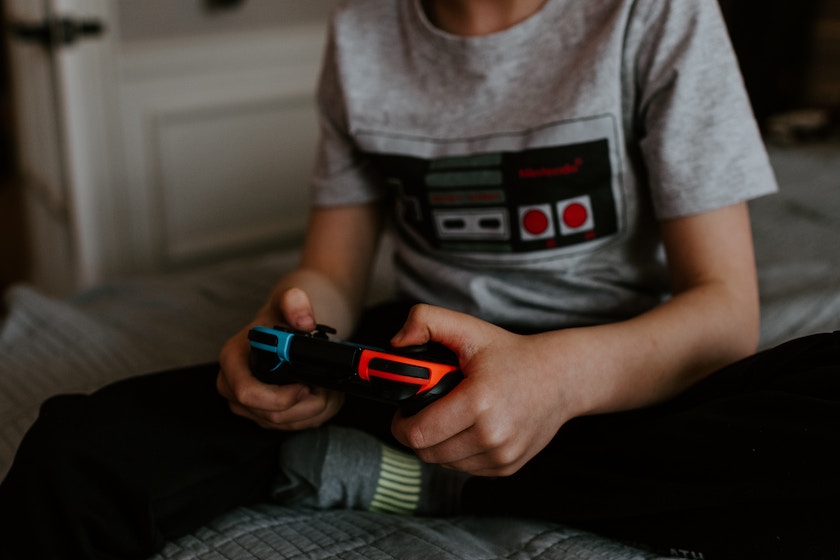
Otaku – from the word for ‘house’ – is often used interchangeably to describe geek culture although what it actually means is someone so passionate about their hobbies or interests that they never leave the house. It was originally ascribed to manga and anime lovers, but it is regularly used to describe gamers too. You’ll likely hear it a lot if you read or research about Japan and gaming. You may even be an Otaku yourself! If so, Japan is the perfect country for you. It’s Otaku heaven. Alongside manga, anime and gaming, cosplay is also hugely popular in Japan with people get dressed up as their favourite computer game or animated character for fun. Incredibly, you can even get dressed up as Mario and the gang and take part in real-life Mario Kart on the streets of Tokyo. Just remember to drive safely as it isn’t a computer game.
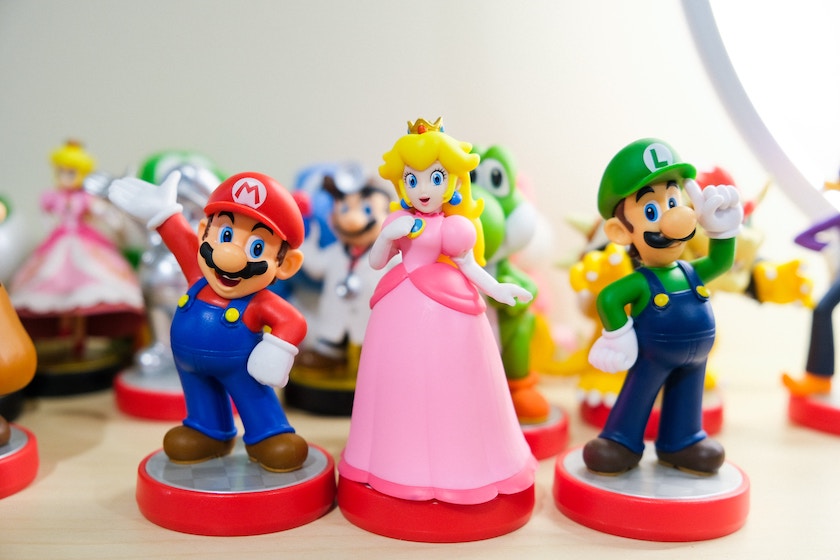
Top Ten Things To Do in Japan for Gamers
There are hundreds (if not thousands) of games arcades across Japan, as well as dedicated Nintendo, Sega and Sony pilgrimages, theme parks, and a vast array of other video game related experiences, from robot restaurants to virtual reality cafes. As such, it's very hard to narrow down the best gaming experience, but we've done our best! Here are our top picks.
Nintendo HQ, Kyoto
The granddaddy of them all. Nintendo is a Kyoto institution and you can visit both the original 1889 building and the current headquarters, which are still in Kyoto. The original building from 130 years ago (located at 342 Kagiyacho, Shimogyo-ku, Kyoto) features a green plaque to commemorate the historic location whereas the modern HQ is a relatively generic-looking large corporate headquarters where the research and development of the latest games goes on behind closed doors. Fans aren’t allowed inside by many have photos taken outside as a kind of Nintendo pilgrimage. You’ll find it at 601-8501 Kyōto-fu, Kyōto-shi, Minami-ku, Kamitoba Hokodatechō. Nintendo also has a rural culture retreat in Kyoto dedicated to its card game origins. Kyoto is easily accessible by train using the Japan Rail Pass.
Nintendo also opened its first ever official store in Tokyo, Nintendo TOKYO, in the Shibuya PARCO shopping complex in November 2019, and it remains a must-visit stop. It's on the sixth floor, right next to a Pokémon Center and other game- and anime-related stores.
Sony Showroom & Ginza Sony Park, Tokyo

Sony’s famous Tokyo showroom in Ginza Place is a technological wonderful land filled with their latest innovations and not just games accessories, but their entire range – everything from headphones to cameras. In fact, the focus is more on their general tech, so this is one for Sony enthusiasts and technology geeks more than just gamers. The showroom is located at Sony Building 4F Ginza 5-3-1 Chuo-ku, Tokyo. As well as the showroom, Sony has also rebuilt Ginza Sony Park. The original temporary "vertical park," which descended down through five basement floors with a garden, a free indoor roller rink and gourmet food stalls, closed in 2020 as planned, but Sony reconstructed it as a permanent public building that reopened in January 2025. It now hosts rotating art and creative exhibitions alongside casual dining and open atrium spaces to relax in — what's showing changes periodically, so it's worth checking what's currently on before you visit.
Club Sega and Sega Joypolis
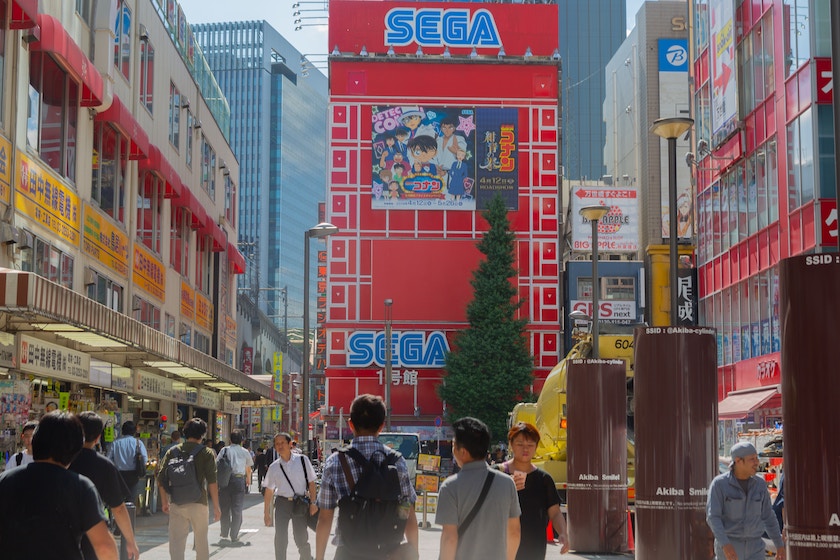
Sega has a number of arcades and attractions across Japan, so we’ve picked out two of the biggest and best from Tokyo – Club Sega in Akihabara (known as Electric Town in Tokyo) and Sega Joypolis in Odaiba (a high-tech entertainment hub on an artificial island). The former is the biggest of the many Club Sega arcades around Tokyo and is distinctive for its neon red exterior with arcade games and attractions over multiple floors, while the latter is essentially a huge indoor amusement park parked with incredible rides, games, arcade machines and much more.
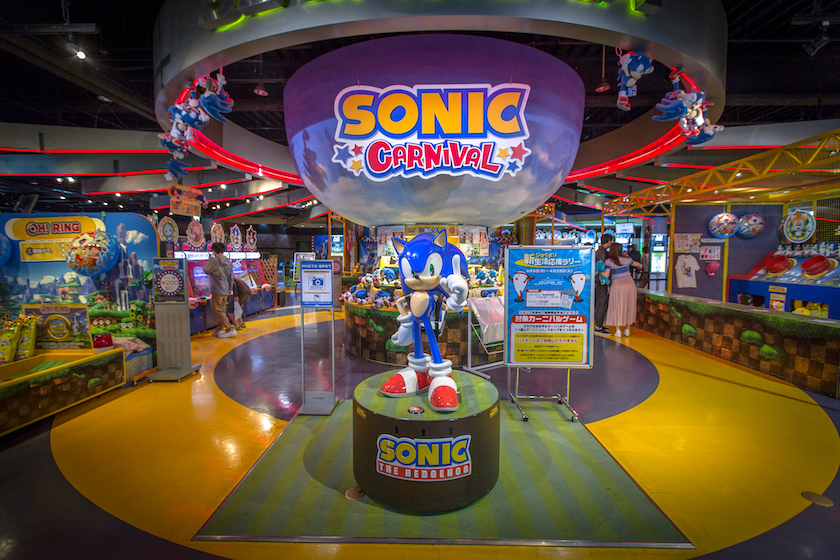
Taito Hey Akihabara Arcade, Tokyo
Tokyo has hundreds of games arcades, but Taito Hey is one of the most famous and most recommended. Inside you’ll find thousands of arcade machines to play and you could find yourself losing hours (if not days!). Addictive and visually dazzling. As we mentioned above, Taito also created one of the first ever arcade games – Space Invaders – and you can still play this iconic game at Taito Hey.
Huis Ten Bosch Game Museum, Nagasaki
If you're interested in the history and development of computer games as well as playing them, the Huis Ten Bosch Game Museum in Nagasaki is worth a look — as with any niche attraction, it's worth checking current opening hours and exhibits before you build it into your itinerary.
You can reach Nagasaki from Tokyo using a Japan Rail Pass by taking the JR Tokaido/Sanyo Shinkansen to Hakata Station in Fukuoka. Then, transfer to the JR Kamome Limited Express bound for Nagasaki.
Square-Enix HQ and Cafe, Tokyo
If you're a fan of the legendary Final Fantasy series — which has enjoyed a huge renaissance thanks to the Final Fantasy VII Remake trilogy, with Remake (2020) and Rebirth (2024) already out and a third instalment confirmed to close out the story — then Square Enix's HQ should definitely be on your list. A release date for the finale hadn't been announced at the time of writing, so it's worth checking Square Enix's own channels for the latest. Look out for the Dragon Quest themed store and cafe. You’ll find the HQ across the road from Higashi-Shinjuku Station.
Capcom Building, Osaka
You can find the headquarters of the company that brought Resident Evil, Street Fighter and Monster Hunter into the world in the city of Osaka. While the building itself is your standard corporate headquarters, if you’re a fan of these legendary game series you’ll find the trip worthwhile. Osaka is also known for its futuristic neon-lit districts so you might feel like you’ve walked into a computer game yourself. The city, in particular the Dotonbori district of Namba and its famous Glico sign, was featured in Ridley Scott’s Black Rain. You can read more about locations featured in famous films in our Japan on Film guide.
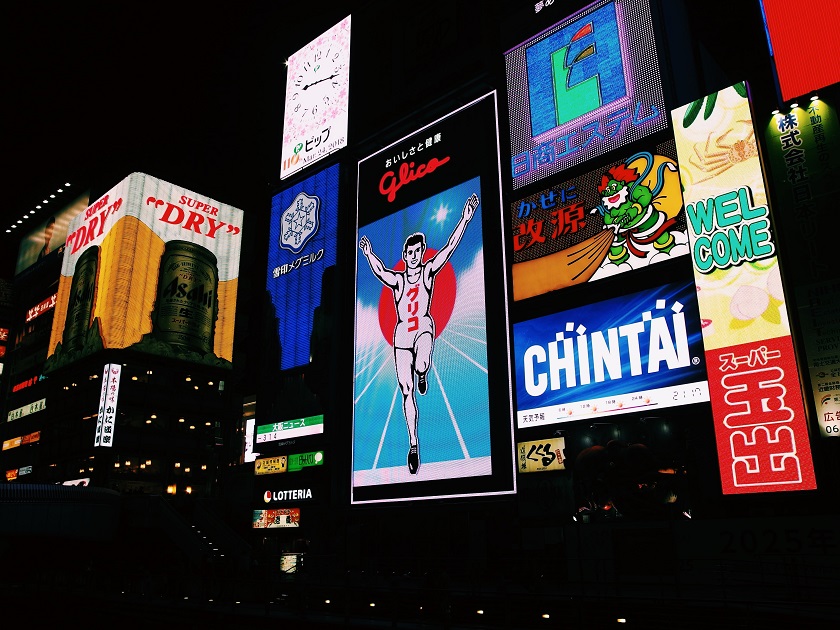
Bonus tip: Osaka is also known as one of the world’s best destinations for food lovers, thanks to its incredible restaurants and local street food vendors and producers. If you need to refuel from all your gaming during your tour of Japan, this could be the city for you. You’ll find some Osaka restaurant recommendations in our recent A Beginner’s Guide to Ramen. To reach Osaka from Tokyo using your JRail Pass, take the Hikari and Kodama trains on the Tokaido Shinkansen lines.
Super Potato
This chain of second-hand retro computer game shops first opened in Kansai and can now be found all over Japan, although the most famous store is located in Tokyo’s Akihabara district. Super Potato is the place to go if you don’t just want to play games during your gaming tour of Japan, but also want the chance to find a vintage souvenir or two to take home with you.
Nakano Broadway, Tokyo
If Akihabara feels a little too polished, Nakano Broadway is the otaku experience many collectors rate even higher. Opened in 1966 as a luxury shopping complex, its upper floors have since been taken over almost entirely by small specialist shops selling manga, anime merchandise, figurines, idol goods, trading cards and retro video games — Mandarake alone, the famous resale chain, runs around two dozen separate annex shops here, each focused on just one category. The experience is part of the appeal: cramped, maze-like corridors packed floor to ceiling with glass cabinets, with a genuine treasure-hunt feel you won't get from a bigger, shinier store. It's an easy trip from central Tokyo — get off at Nakano Station (on the JR Chūō Line, covered by your JR Pass) and follow the covered Sun Mall shopping street straight to the entrance.
Tokyo Games Show 2020
If your trip lines up with it, the Tokyo Game Show is a huge computer game exhibition held annually each September at Makuhari Messe, near Tokyo — its 2026 edition marked the show's 30th anniversary. Dates shift slightly year to year, so check the official Tokyo Game Show site for the exact dates in the year you're travelling.
Visit Hyrule from the Legend of Zelda
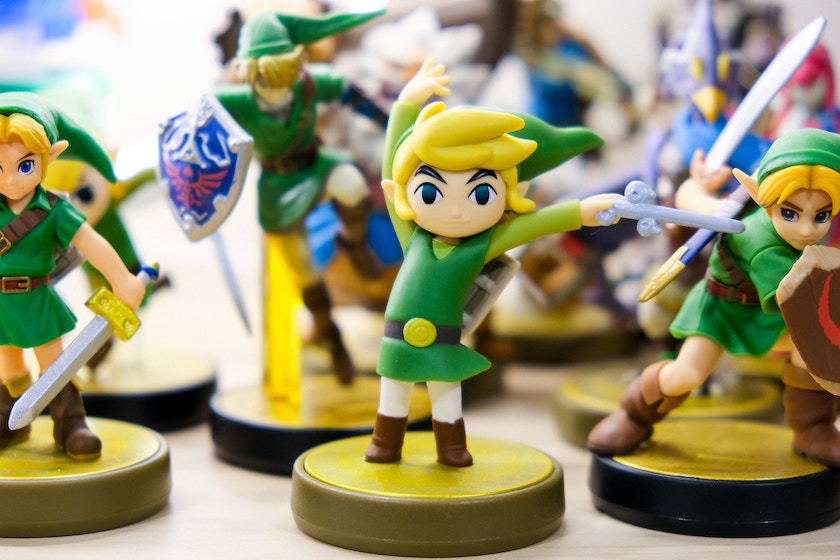
For those of you who don’t play Zelda, Hyrule is the kingdom where the game series is set, and provides a diverse landscape for the hero Link to explore and adventure. It’s a varied land with green fields and dense forests, snowy mountains and peaceful villages, volcanic areas with hot springs and beaches too. If that sounds familiar then it should, because it’s exactly like Japan. The latest game in the Zelda series, Zelda Breath of the Wild, for the Nintendo Switch, is the biggest yet and fans have speculated that the game’s lush landscape is loosely based on Hokkaido in Japan.
Hokkaido is Japan’s northernmost island, best known for its unspoiled nature and breath-taking scenery. The landscape of Hokkaido is everchanging by the season, from the snowy landscapes in winter to the mild outdoor temperatures in summer – just like Hyrule in Zelda. You can find out more and plan a five-day trip there by reading our five-day Hokkaido Rail Itinerary.
Don’t Forget
- Several of the recommendations above are within Tokyo itself so you’ll need a prepaid travel card such as a Pasmo or Suica card for inner city travel alongside your JR Pass.
- For those of you with further Otaku (geek culture) interests, keep an eye out for the Tokyo Disney Resort Line monorail, whose newer carriages have windows shaped like Mickey Mouse's head, as you pass through Maihama.
- If you also love Japanese, then the Studio Ghibli Museum is an unmissable experience. Read our Studio Ghibli Tour, Tickets and Travel guide.
- Stay connected while you’re enjoying the latest computer and arcade games by purchasing PocketWifi. This handy device will save you on roaming charges and data usage by giving you unlimited Wifi during your stay in Japan.
- Need a big break from gaming to clear your head? Why not visit one of Japan’s beautiful National Parks for a nature experience?
- Or as an alternative, how about a day trip Nara to see the shrines and temples and feed the beautiful free-roaming deer before returning to the arcades? It’s a great day trip from Kyoto or Osaka with a Japan Rail Pass.
FAQs
1. What's it like visiting the Nakano Broadway otaku mall?
Expect a maze of small, specialist shops rather than one big store — Nakano Broadway is several floors of narrow corridors and glass cabinets, mostly run by Mandarake's many annex shops, each focused on one niche (retro games, figurines, doujinshi, idol goods, and more). It has a treasure-hunt feel that's quite different from the slicker, bigger stores of Akihabara, and it's an easy trip from central Tokyo via Nakano Station.
2. Is the Hello Kitty Shinkansen still running?
No — JR West retired the Hello Kitty Shinkansen, which ran on the Sanyo Shinkansen between Hakata and Shin-Osaka, in May 2026 after eight years in service. Check JR West's official site for whatever character or themed train is currently running before you plan a trip around one.
3. What does "otaku" actually mean?
Otaku comes from a word for "house" and was originally used for obsessive manga and anime fans, though it's now used more broadly to describe passionate hobbyists, including gamers. It can be used affectionately or as a light tease, depending on context.
4. Do I need a JR Pass to visit these gaming and otaku spots in Tokyo?
Most of what's in this guide — Akihabara, Nakano Broadway, Shibuya, Odaiba — sits on JR lines or is a short walk from a JR station, so a JR Pass covers getting around central Tokyo. You'll still want a Suica or Pasmo card for lines the JR Pass doesn't cover and for quick top-ups on the subway.
5. What's the best city in Japan for retro and arcade games?
Tokyo's Akihabara district is the obvious hub, with Super Potato, Taito Hey and several Club Sega arcades within walking distance of each other, plus Nakano Broadway a short train ride away. Osaka's Den Den Town is a smaller but similar retro-gaming and electronics district if your trip takes you west.
.png)

.jpeg)